Sustainable technology
The importance of energy efficiency in modern buildings
Learn how energy-efficient design and renewable integration reduce operational costs while improving sustainability and long-term performance.

Modern buildings are no longer designed with aesthetics and functionality alone in mind. Energy performance has become a critical factor in architectural planning and long-term operational strategy. As energy demand rises, improving efficiency is one of the most effective ways to reduce costs and environmental impact.
Energy-efficient buildings use advanced materials, intelligent systems, and renewable integration to optimize consumption without compromising comfort or productivity.
Reducing energy waste through smart design
Energy efficiency begins at the design stage. Proper insulation, optimized window placement, energy-efficient lighting, and smart climate control systems all contribute to lower consumption levels.
key energy efficiency strategies include:
high-performance insulation systems
led lighting and smart controls
automated heating and cooling optimization
real-time energy monitoring
integration with renewable power sources
These improvements significantly lower operating expenses while extending building lifespan.
Financial and environmental benefits
Efficient buildings consume less electricity, resulting in reduced monthly utility costs and lower carbon emissions. Over time, the cumulative savings can be substantial, especially for commercial properties.
“energy efficiency is the foundation upon which sustainable infrastructure is built.”
By minimizing waste and maximizing performance, businesses create resilient and environmentally responsible spaces.
Integration with renewable energy
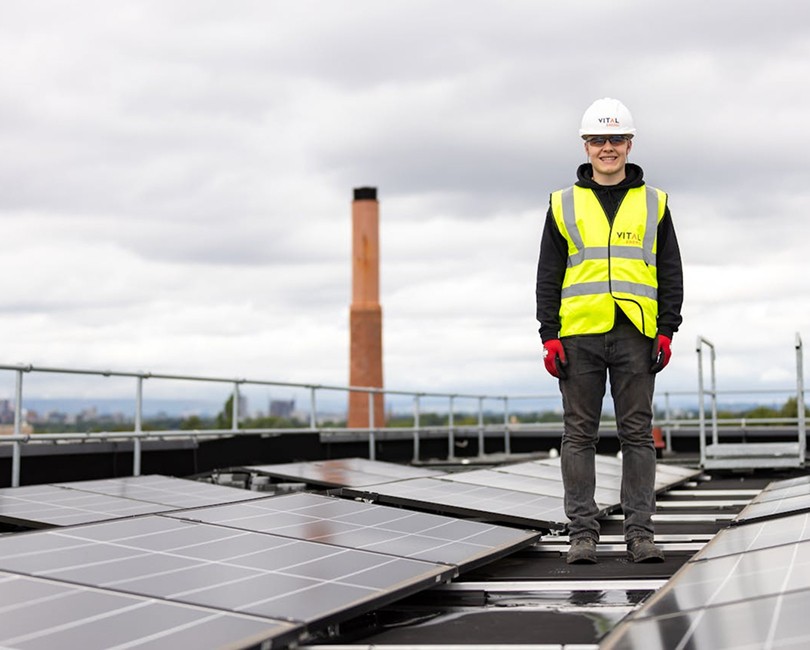
When energy-efficient design is combined with solar systems and battery storage, buildings become powerful contributors to sustainability goals. This integrated approach enhances reliability and reduces dependence on traditional power grids.
As building technologies evolve, efficiency standards continue to rise, making innovation essential for staying competitive.
Building for the future
Sustainable construction and energy optimization are no longer optional — they are expectations in modern development. Organizations that prioritize efficiency today are creating adaptable and future-ready infrastructure.
Investing in energy efficiency ensures long-term cost stability, environmental responsibility, and improved asset value for years to come.